
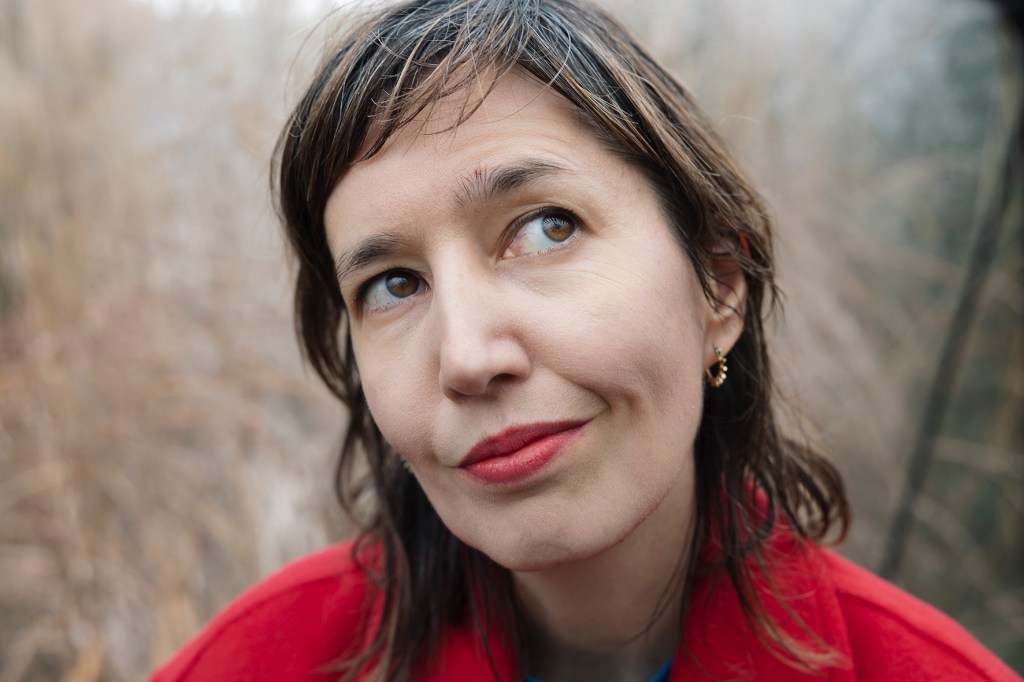
My photographs do not document, they draw back a curtain. Believe what you see behind it — that there is more than what appears.
For me, photography is my visual language to explore and understand the world. I see myself as a narrative photographer. With my images, I tell stories. Photography is like a dive inward, but created with the elements present in the outer world. This creates a duality: a reality versus a dream world, a reality versus the unconscious, the uncanny. Beneath the surface, a parallel world of images brews. This leads my characters into mental spaces or secret landscapes. – Liesbeth Marit –
Originally, Liesbeth Marit (°1979) started with painting at LUCA, School of Arts in Brussels. In her further education at HISK (Higher Institute for Fine Arts, Ghent), the static image of painting shifted to sensory installations, where the experience of the viewer took center stage. These studies influence her later work, initially focused on film and later on photography.
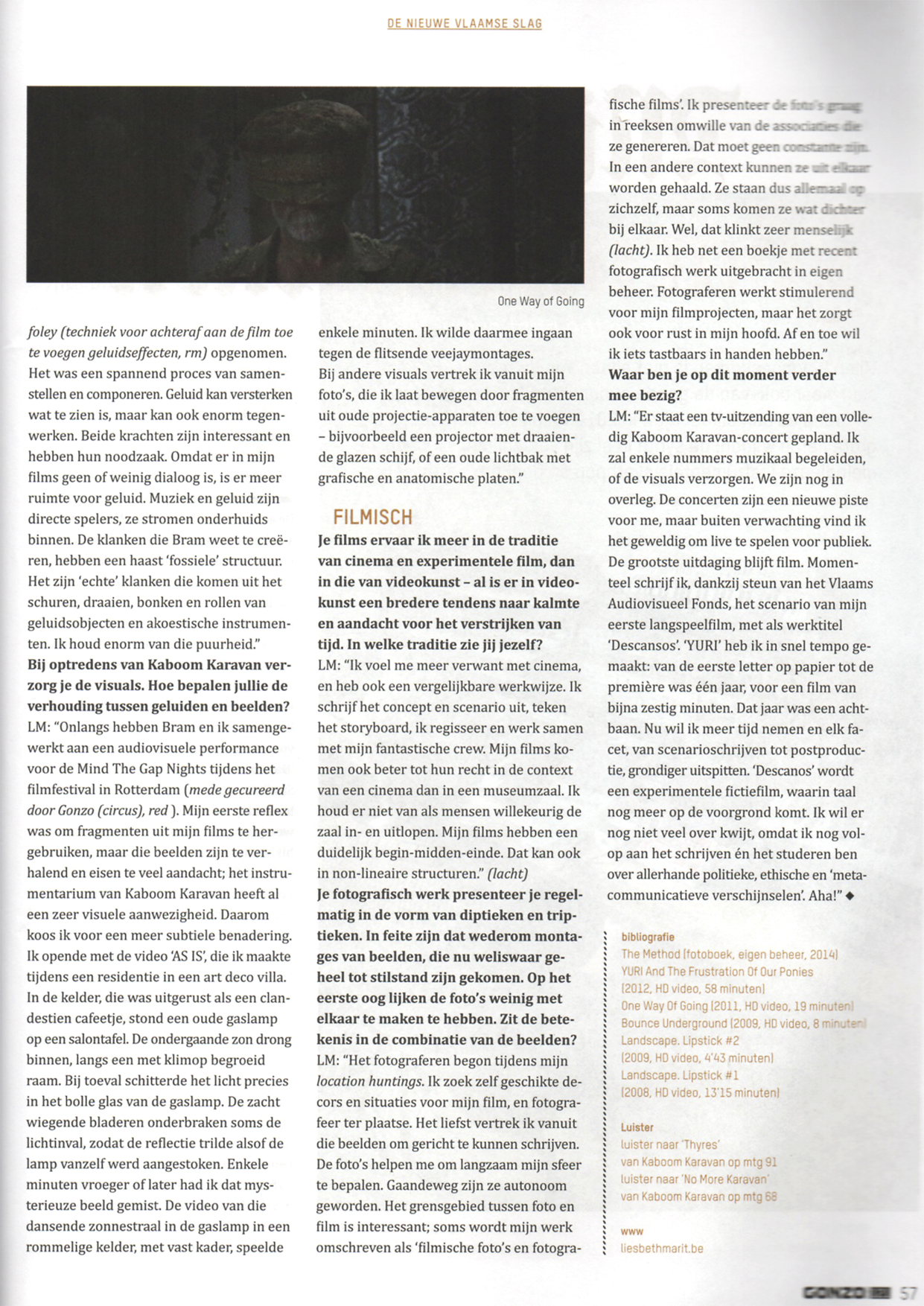
Her compositions still reveal the eye of the painter, and her deliberate shots lean towards the rhythm of a visual artist. Consequently, her films appeared like living paintings. The same applies to her photos, presented in lightboxes and prints, resembling stills from a film. It’s as if she wants to slowly weave these different art forms together.
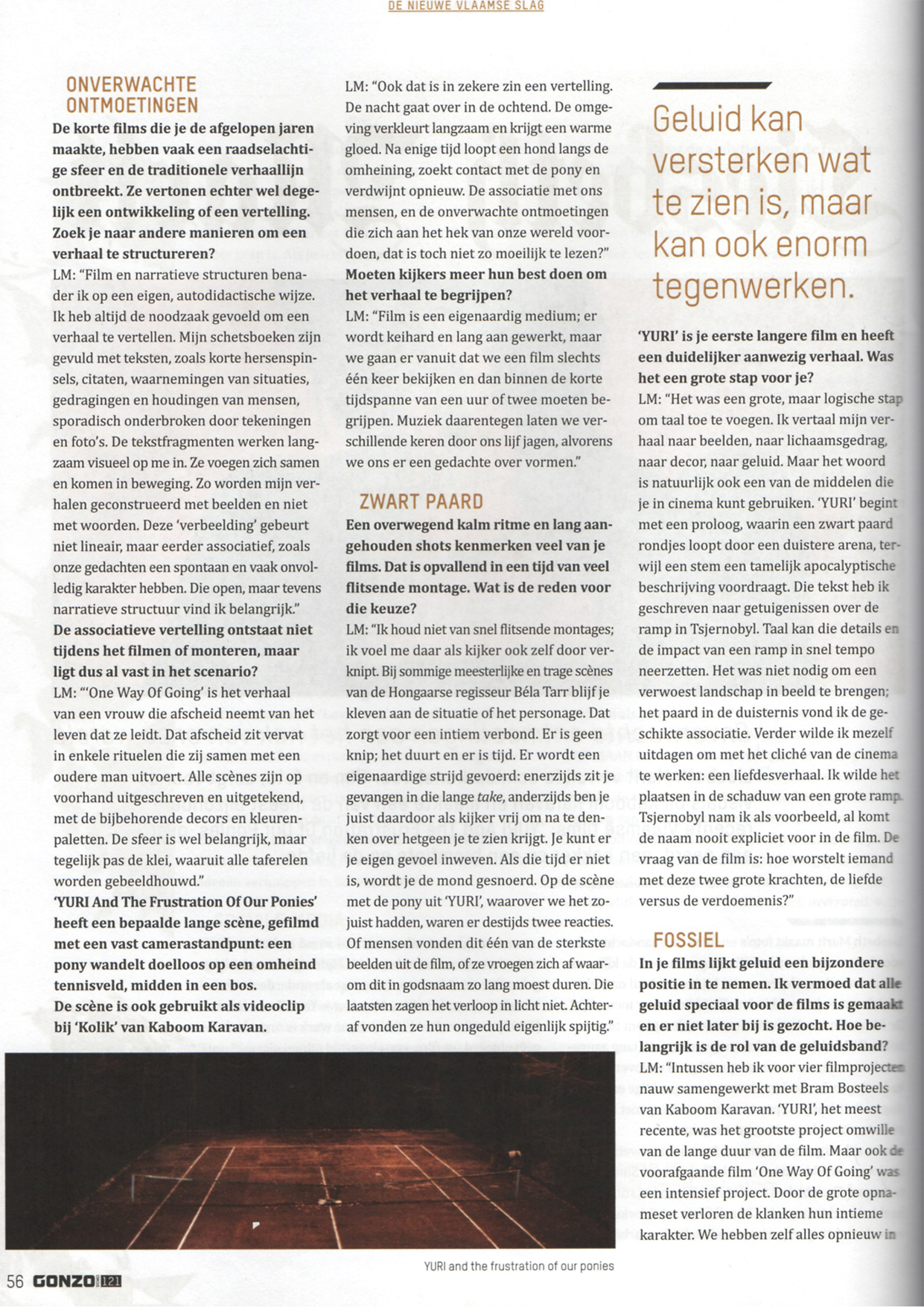
In her fourth production, “YURI and the frustration of our ponies” (2012), spoken word and the story itself became more important. For “4X7” (2017, Canvas TV), she created a short documentary exploring the border between fiction and reality. In recent years, she has fully immersed herself in photography. In this medium, she further explores the periphery of imagination and reality.
Liesbeth Marit displays images that could be film stills, fragments that seem to be part of a script existing solely in her own mind. They unfold in landscapes she constructs as models in the studio or discovers in the ‘real’ world, subsequently molding them with light, paint, or other techniques. Characters are directed, images assembled as parts of an imaginary sequence. Spaces serve as sets. Thus, the photographer stages scenes of what could be a dream. The unreasonable, disruptive imagination is her element.
Marit ventures out to find locations suitable for the situations she wants to direct and occasionally adds props – as evident, for example, in the photo with the mermaid, the dog, and the swimming pool, where reality proves stronger than imagination: only a few discreet interventions transform a genuinely existing garden into a dreamlike vision. – Eric Min –
Her works were exhibited at PHOTOBrussels Festival, WORM (Rotterdam), the Centrale for Contemporary Art (Brussels), Museum M (Leuven), Het Kunstenhuis (Harelbeke), BAD Belgium Art & Design (Ghent), Vooruit (Ghent), De Brakke Grond (Amsterdam), De Markten (Brussels), ZSenne Art Lab (Brussels), DISKUS (Aalst), Centrale Montemartini (Rome), Galerie 10a (Otegem), RUIMTE P60 (Assen), North Sea Jazz (Rotterdam).
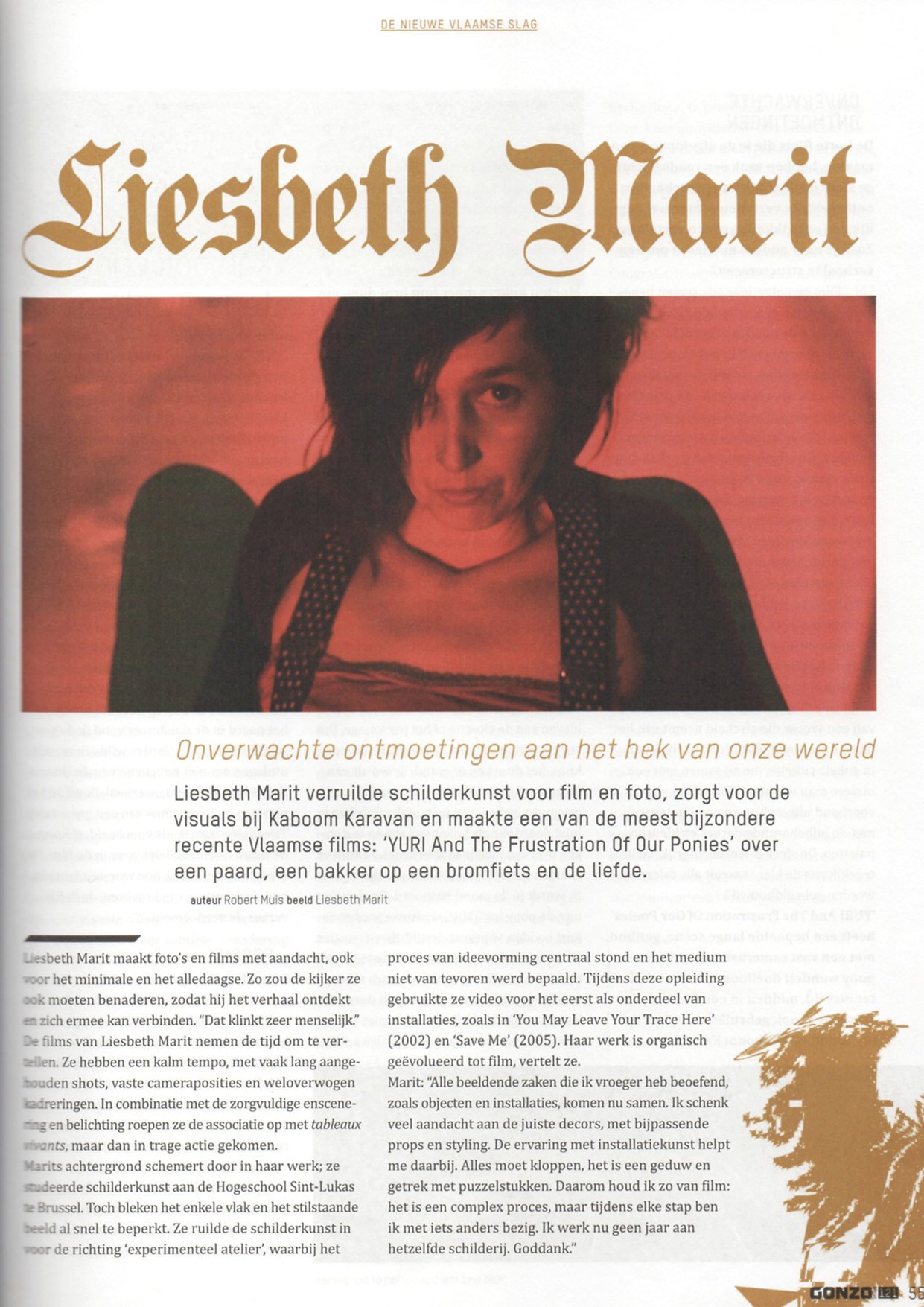
Interview – Gonzo (Circus) Magazine (05-06.2014) – dutch:
 LIESBETH MARIT